Glendalough Lakeside Trail: A Complete Walking Guide
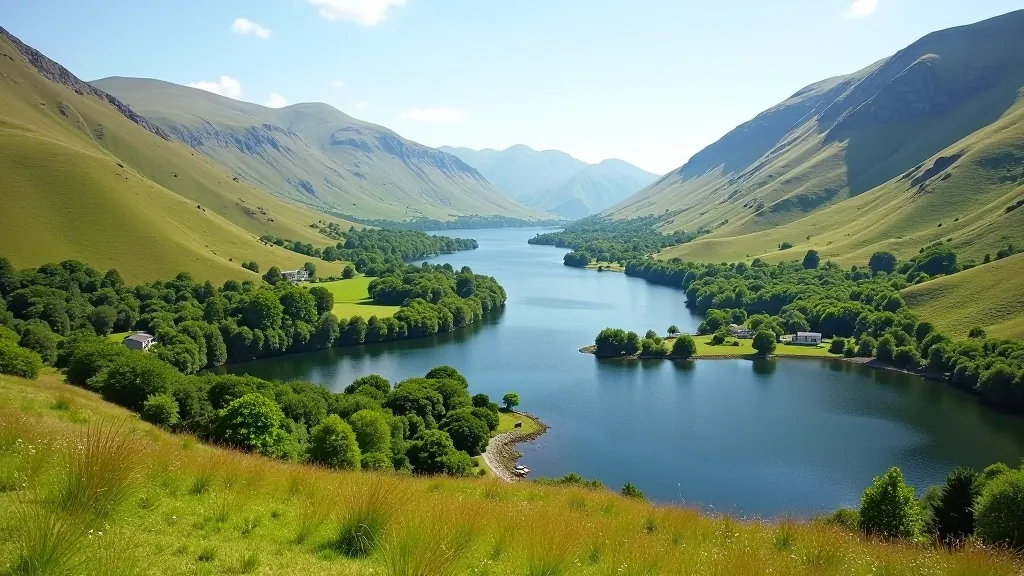
This 4-mile easy loop around two stunning lakes is perfect for beginners. We'll show you what to expect, where to take breaks, and why this trail never gets old.
Your feet carry you for hours on the trail. The right shoes make the difference between a wonderful day and painful blisters. We'll show you what features actually matter and how to find shoes that'll keep your feet happy, comfortable, and supported from start to finish.
Most people don't think about their shoes until something goes wrong. You're halfway through the Glendalough lakeside trail when your heel starts rubbing. Or you notice your arches aching as you climb the gentle slope near the upper lake. These aren't character-building moments — they're signs you're wearing the wrong footwear.
The thing is, good walking shoes don't have to be expensive or complicated. You don't need the fanciest brand. You need shoes built for what your feet actually do on a trail. We've watched hundreds of walkers discover this truth. The right shoes transform how a trail feels.
In this guide, we'll walk you through exactly what to look for, how to test whether shoes will work for you, and the common mistakes most people make when choosing trail footwear. By the end, you'll know your feet well enough to pick shoes with confidence.
Support is the non-negotiable starting point. When you're walking for 2-3 hours, your feet need shoes that'll keep them stable. We're not talking about rock-hard soles. We're talking about shoes that cradle your foot without letting it slide around inside.
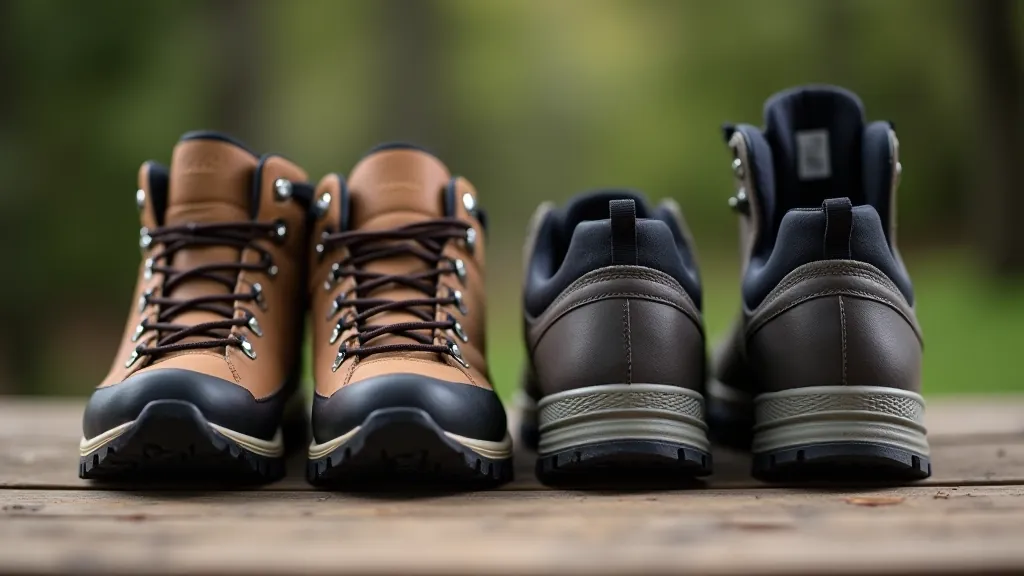
Start by checking three things. First, the heel counter — that's the cup at the back of the shoe. It should be firm but not uncomfortable. Press on it with your thumb. If it collapses easily, the shoe won't support your heel properly as you walk downhill. Second, the midsole. This is the layer between your foot and the ground. Bend the shoe gently. It shouldn't twist like a pretzel. It should flex at the ball of your foot where your toes bend naturally, but resist twisting in the middle.
Third, arch support. This varies wildly depending on your foot. Some people need significant arch support. Others find it uncomfortable. The only way to know is to try shoes on and walk around. Spend at least 10 minutes in them — not just standing. Walk in the store. Go up and down stairs if they'll let you. Your feet will tell you if something's wrong.
Quick Test: When you put a shoe on, your heel shouldn't slide when you walk. Your foot shouldn't roll inward or outward excessively. The shoe should feel snug but not tight. If you're between sizes, go with the larger size — your feet swell during activity.
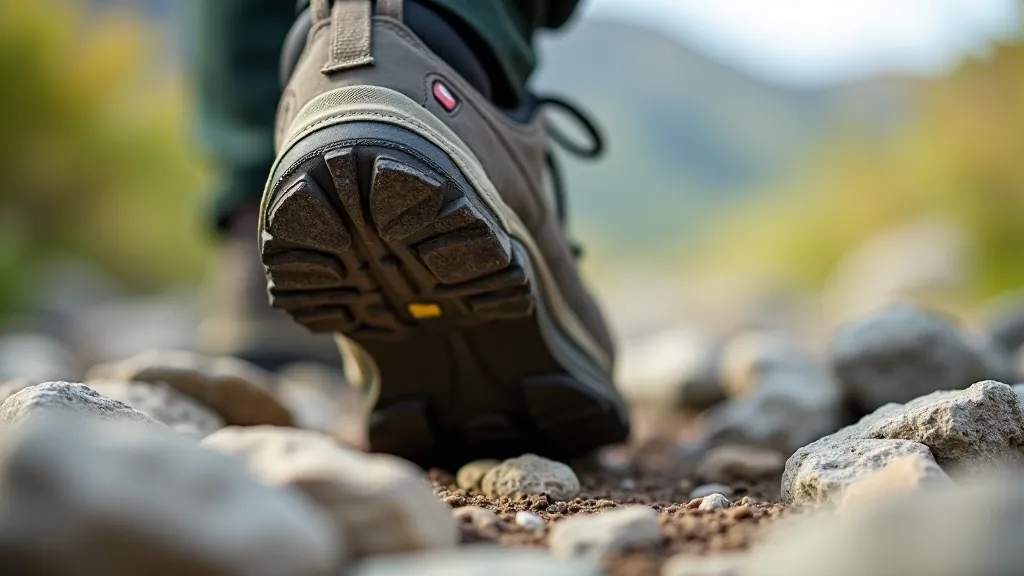
The Glendalough trails aren't steep or technical, but they're not smooth paths either. You'll encounter loose gravel, wet stone, and muddy sections — especially near the water. This is where sole grip becomes genuinely important.
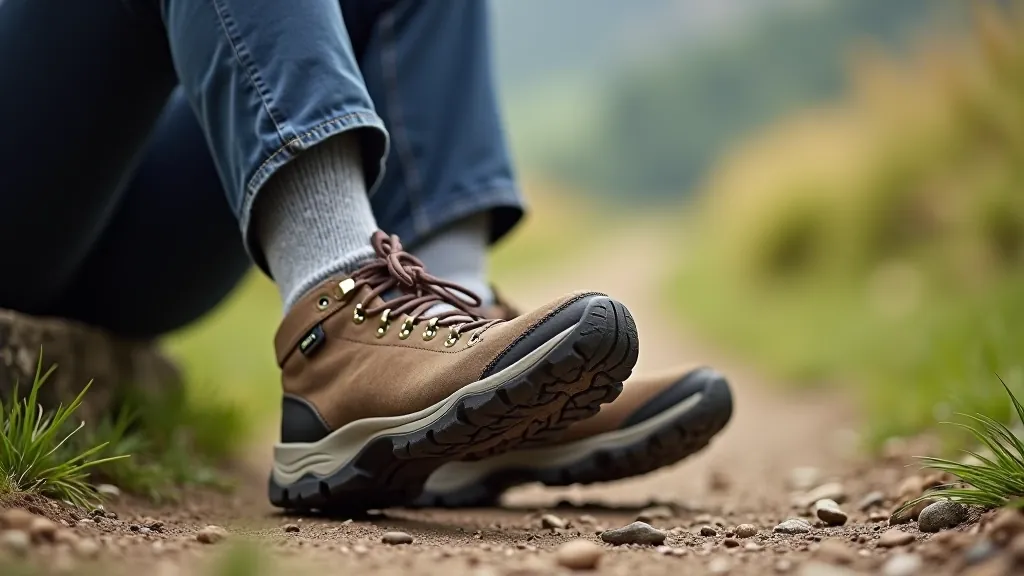
Look for shoes with aggressive tread patterns. The grooves should be deep enough to bite into loose ground. When you run your finger over the sole, it shouldn't feel smooth. It should feel textured. The best soles for trail walking use rubber compounds that grip even when wet — this matters far more than you'd expect on Irish trails.
Here's what actually works: shoes with a combination of multidirectional tread and slightly stiffer rubber compounds. You want the pattern to bite into gravel but also shed mud naturally. Some shoes clog with mud on wet trails. Others stay clean. The difference comes down to the tread design and rubber hardness.
One more thing — heel grip. The heel section should grip firmly, especially on descents. Many shoe-related falls happen on downhill sections when feet slide forward inside the shoe or lose grip at the heel. Make sure the heel cup is snug and the heel tread is robust.
This article is educational information about choosing walking shoes for trail comfort. Everyone's feet are different, and comfort depends on personal fit and biomechanics. If you experience persistent foot pain or have existing foot conditions, we recommend consulting a podiatrist or your healthcare provider before starting a new walking routine. The information here is meant to help you understand shoe features — it's not a substitute for professional advice.
You'll be walking for several hours. Your feet will heat up. They'll sweat. The wrong shoe becomes increasingly uncomfortable as the hours pass. This is why weight and breathability matter.
Heavier shoes tire your feet faster. You don't realize it until you compare two pairs side by side, but the difference is real. A shoe that weighs 50 grams more per pair means your legs are lifting an extra 100 grams with every step for 3+ hours. Choose shoes that feel light without sacrificing support. Modern trail shoes do this remarkably well — they're lighter than people expect.
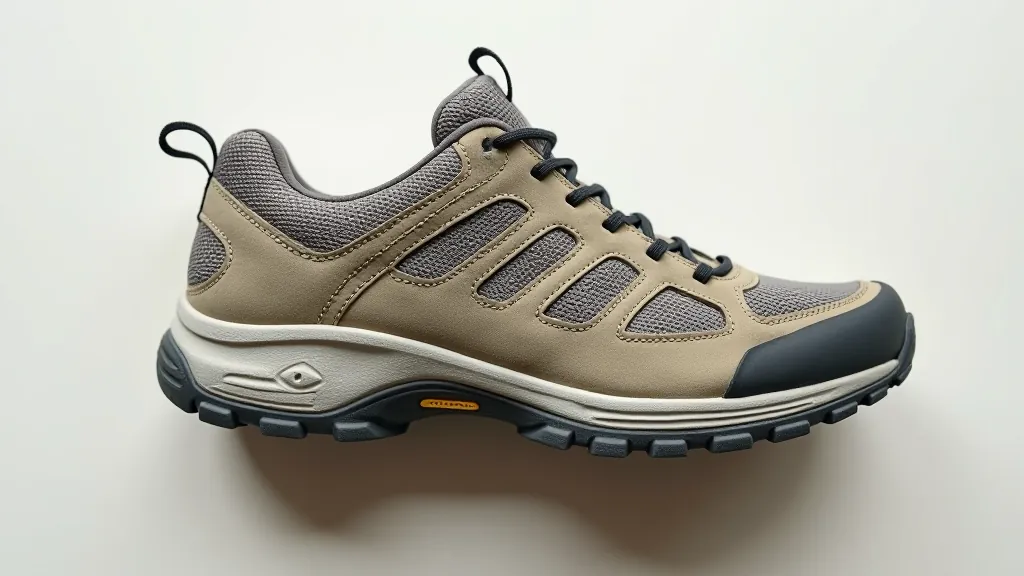
Breathability comes from mesh panels and ventilation. Look for shoes with substantial mesh coverage, particularly across the top of the foot. Mesh lets moisture escape so your feet don't become a swamp inside the shoe. On warm days — and Ireland has more of those than people realize — breathable shoes make the difference between comfortable and miserable.
One practical detail: sock compatibility. Some shoes work brilliantly with thick hiking socks. Others work better with thin athletic socks. Try your preferred socks when you test shoes. Your foot shape changes slightly depending on sock thickness, and that affects how the shoe fits.
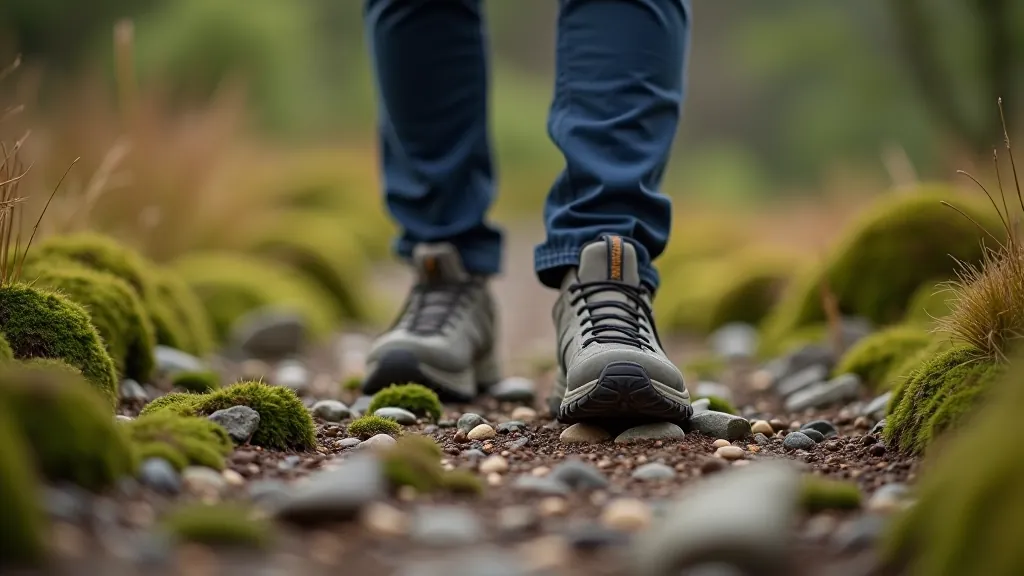
Here's the part nobody wants to hear: most shoes need a break-in period. We know, you want to buy shoes and wear them immediately on a trail. That's how blisters happen.
A proper break-in takes 2-3 weeks of normal walking. Wear your new shoes around the house. Wear them for short walks. Build up to longer distances. This lets the materials soften slightly and your feet adapt to the shoe's geometry. Don't skip this step and then blame the shoes for blisters on your first long hike.
During break-in, pay attention to pressure points. Some rubbing is normal. Sharp, hot spots are warning signs. If you get genuine blisters during break-in walks, the shoes probably aren't right for you. Return them. Life's too short for shoes that fight your feet.
Once broken in, quality walking shoes are brilliant. We've seen people wearing the same pair for 2+ years on regular trails. They soften, they mold to your feet, and they become genuinely comfortable. That's what you're aiming for.
Walk around the store. Your heel shouldn't slide inside the shoe. If it does, the shoe's too loose. Try a smaller size or a different shoe.
Your toes need wiggle room. You should be able to move your toes slightly inside the shoe without your foot shifting. Press on the toe area — your longest toe should have about a thumb's width of space.
Most shoe shops have stairs. Use them. Go up and down. This mimics trail walking better than flat walking. Notice if your heel lifts, if your foot feels supported, if anything pinches.
Bend the shoe gently. It should flex at the ball of your foot naturally. Resist twisting in the middle. Feel the midsole firmness — it should feel supportive, not mushy.
Spend at least 15-20 minutes in the shoes before deciding. Your first impression changes as your feet settle into them. If something's uncomfortable at the 5-minute mark, it won't improve.