Choosing the Right Walking Shoes for Trail Comfort
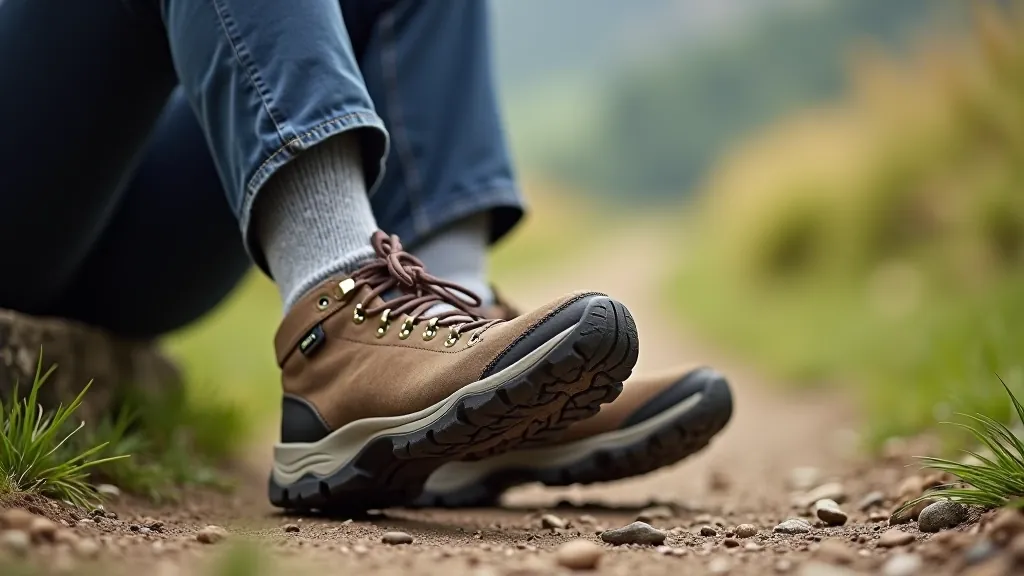
Proper footwear makes all the difference. We explain what features matter most and how to find shoes that'll actually be comfortable for miles.
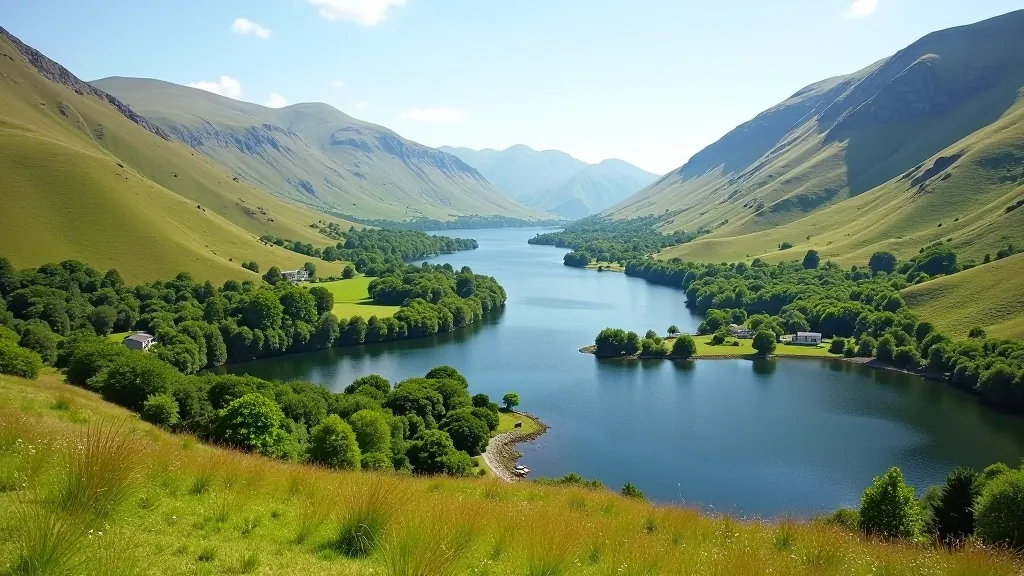
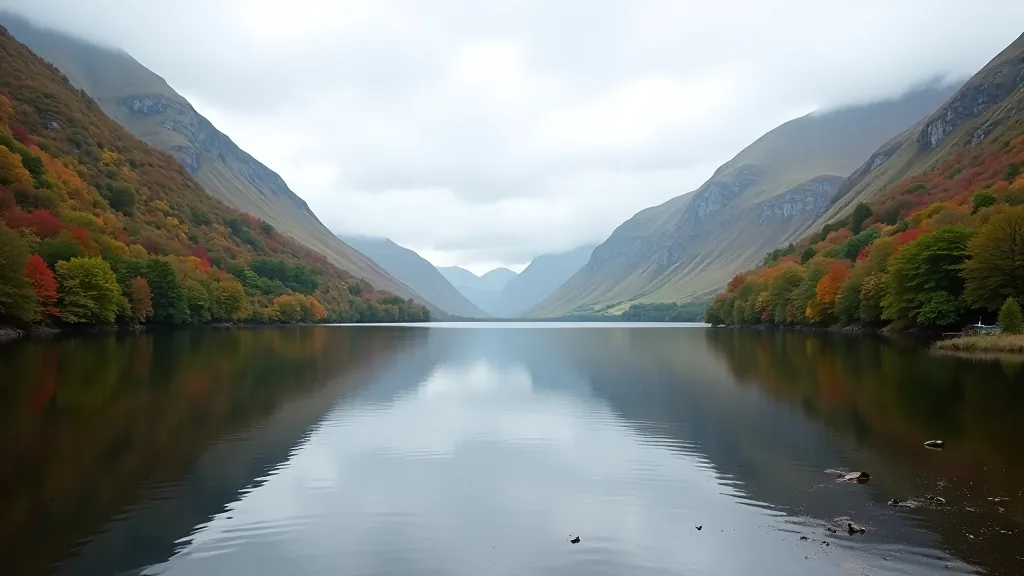
This stunning 4-mile loop around two pristine lakes in County Wicklow is one of Ireland's most accessible trails. We'll walk you through everything you need to know — from what to expect on the path to the best times to visit and how to stay comfortable throughout.
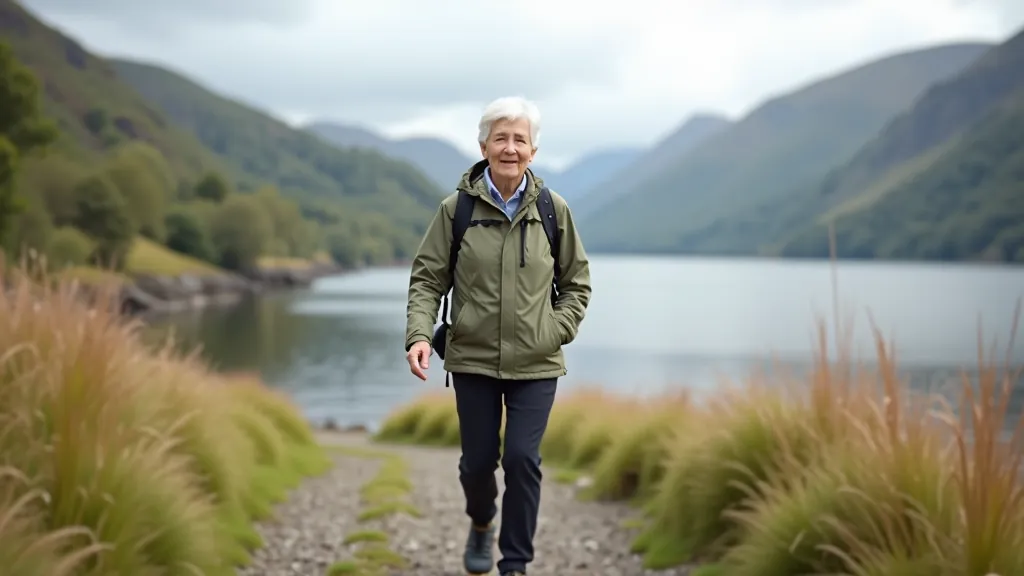
You don't need to be a seasoned hiker to enjoy Glendalough. The lakeside trail isn't steep, the terrain's mostly level, and you'll find plenty of places to rest along the way. It's the kind of walk that feels like an adventure without leaving you exhausted — which is exactly why so many people come back year after year.
The trail winds past two beautiful lakes, through ancient monastic sites, and alongside mountains that change color with the seasons. You're walking through history while getting fresh air and gentle exercise. That's the appeal.
4 miles total. Most walkers complete it in 90 minutes to 2 hours, but there's no time pressure — stop whenever you want.
Mostly flat with some gentle slopes. Well-maintained paths, though sections can be muddy after rain — good grip on your shoes matters.
Late spring through early autumn. The weather's most predictable May through September, though it's quieter in shoulder seasons.
Monastic ruins dating back 1,400 years, two lakes with mountain views, and a visitor centre with café and facilities.
Glendalough's in County Wicklow, about an hour south of Dublin by car. There's a visitor centre right at the entrance with parking, toilets, and a café — which is handy if you need a coffee before or after your walk.
The trail itself starts near the visitor centre. You'll see clear signs pointing toward the lower lake — that's where you begin. The path's well-marked throughout, so you won't spend time wondering which direction to go. Most walkers follow the circuit clockwise around the lower lake first, then head up toward the upper lake.
"I wasn't sure I'd make it all the way around, but the views kept pulling me forward. We took our time, stopped whenever we felt like it, and honestly it was perfect."
— Margaret, 68
The first stretch follows the lower lake's edge. You're walking on a proper path — not too narrow, not too rough. The lake's on your right most of the way, so you've got constant views. The terrain here is the easiest section of the whole loop, which makes it a good warm-up.
This guide is informational based on current trail conditions. Weather, trail maintenance, and site access can change. Always check local conditions before visiting, bring appropriate gear for Irish weather (it changes quickly), and consult your doctor before starting any new walking routine, especially if you have existing health conditions. This walk involves outdoor terrain — proceed at your own pace and comfort level.
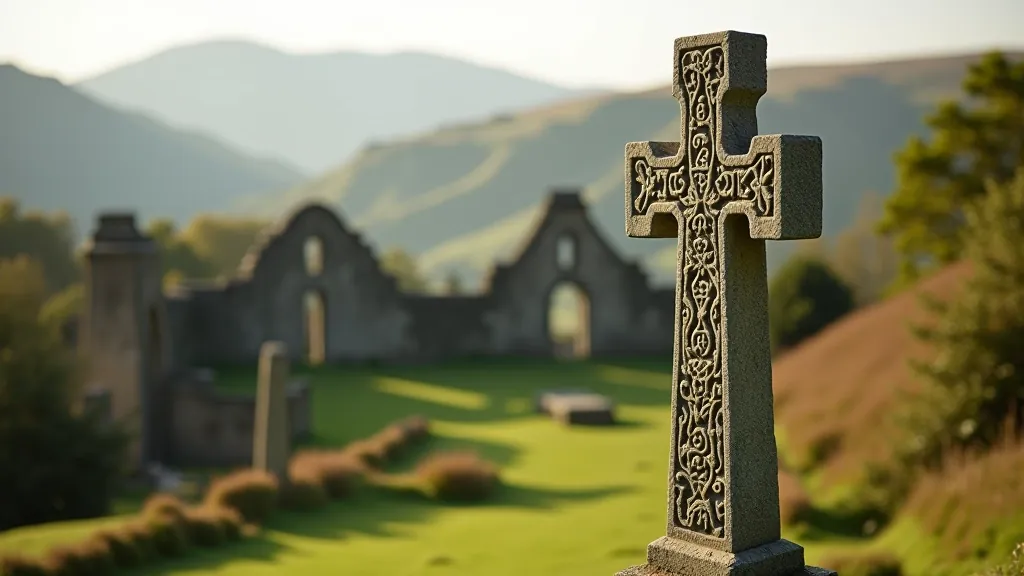
Glendalough wasn't just picked as a walking destination by accident. It's a place with serious history. Saint Kevin founded a monastic settlement here in the 6th century, and the ruins you see today — churches, round towers, stone crosses — date back over a thousand years.
You don't need to be a history enthusiast to appreciate what you're seeing. The visitor centre has information about each site if you want context. But honestly, sometimes it's enough just to walk past these ancient structures, think about the monks who lived here, and feel the weight of that history. The landscape hasn't changed that much in 1,400 years — the lakes are the same, the mountains are the same, and there's something grounding about that.
Most of the ruins are visible from the main trail, so you won't need to scramble off the path to see them. You'll pass the cathedral, the round tower (one of the most intact examples in Ireland), and various churches. They're photographed from different angles throughout your walk, so you'll get good views without doubling back.
The beauty of this trail is that it doesn't demand anything from you. You're not racing anyone. If you need to stop every 20 minutes, that's completely fine. If you want to sit by the lake for half an hour watching the water, do it.
Most walkers find that a steady, conversational pace works well — you should be able to talk while walking, but not sing. That's your speed indicator right there. When you're breathing harder, slow down. When you feel steady, that's your rhythm.
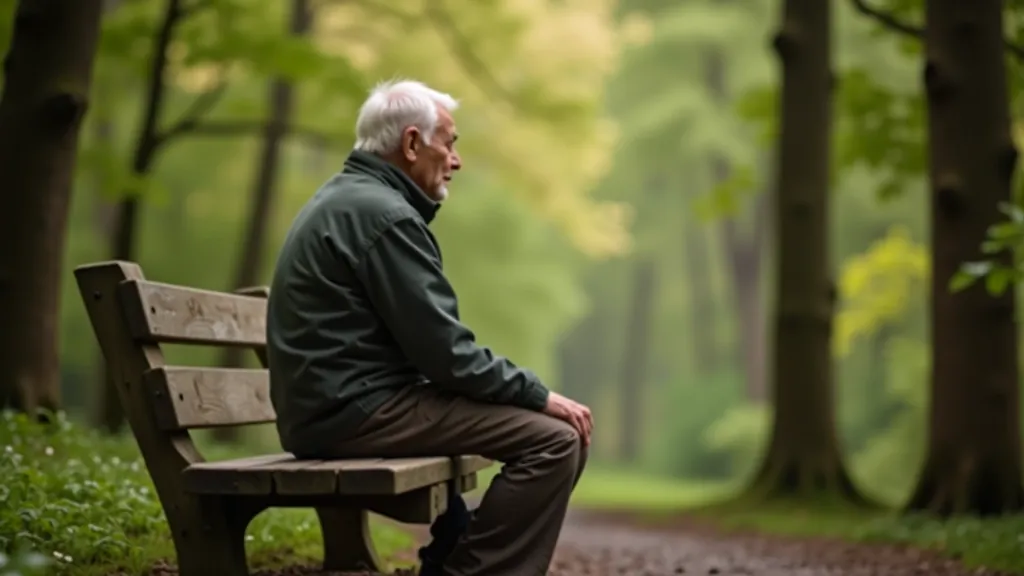
There are benches scattered along the route, and they're positioned specifically at good vantage points. You'll find seating about every 15-20 minutes of walking, which means you're never far from a place to rest. Some benches overlook the lakes, some face the mountains — pick whichever view appeals to you at that moment.
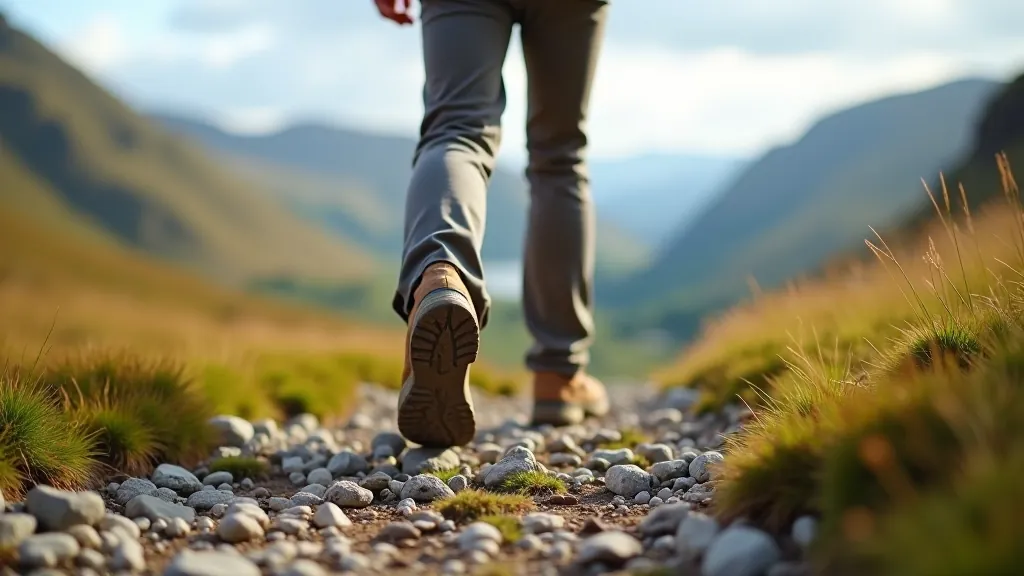
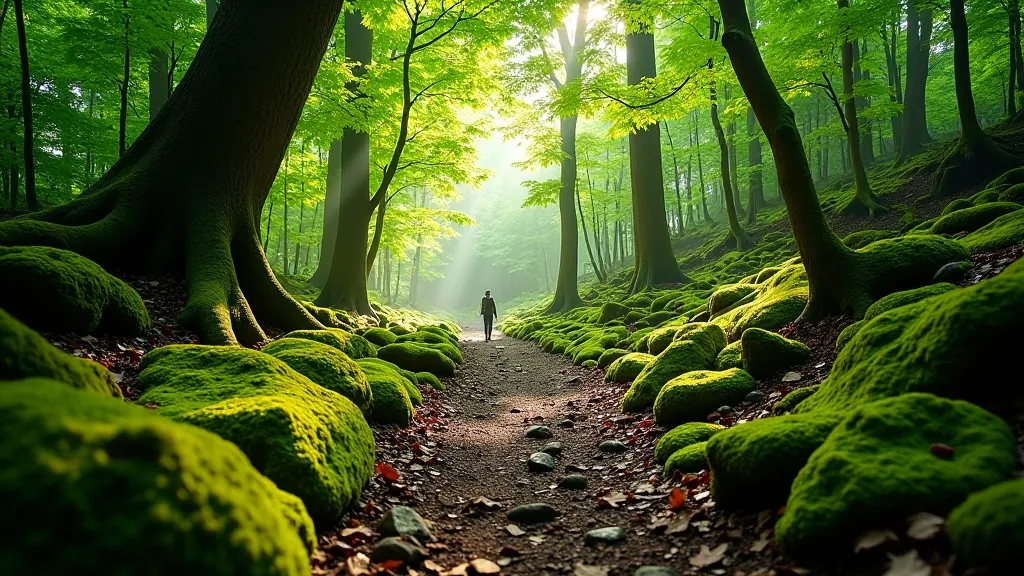
After completing the lower lake circuit, the trail climbs gently toward the upper lake. This is where the landscape shifts. You're moving into a narrower valley, the water's more enclosed by the mountains, and it feels quieter — fewer people venture up here.
The climb isn't dramatic — it's spread out over about 1.5 miles, so you're not dealing with steep sections. You'll notice your legs working a bit harder, but it's manageable. The reward is that the upper lake feels more intimate. The mountains loom closer, the water's often mirror-still, and it's genuinely peaceful up there.
If the climb doesn't appeal to you, you don't have to do it. You can walk the lower lake loop and call it done — that's 4 miles and a completely satisfying walk. Some people do the full upper lake circuit, others do lower lake only. Both are legitimate choices. You're walking for enjoyment, not to prove anything.
The descent back down is easier on your joints than the climb up, which is nice. Your legs have warmed up by then, and gravity's helping you along. The whole upper section takes about 45 minutes to an hour depending on pace.
Glendalough's open year-round, but the experience changes with seasons. Summer means longer days and warmer weather, but also more visitors — early morning starts help you avoid crowds. Autumn's stunning for colours, spring's when everything's growing again, and winter's quieter though weather's less predictable.
The visitor centre has café facilities, proper toilets, and a shop with books about the site's history. It's worth spending 20 minutes there before or after your walk. Parking's easy and free. There's no entrance fee for the trail itself.
This walk works because it doesn't demand anything you can't give. The terrain's forgiving, the views are genuinely stunning, and the history adds another layer to the experience. You're not just getting exercise — you're walking through centuries of Irish heritage, seeing landscapes that've inspired people for over a thousand years. That's what makes Glendalough different from a standard countryside stroll. It's a place that matters, and walking it means you're part of that history, even if just for an afternoon.
Want more trail guides for comfortable walking?