Pacing and Rest Breaks: Hiking Your Own Way
There's no rush on the trail. Learn how to set a sustainable pace, recognize when you need a rest, and enjoy the journey without pressure.
Why Pace Matters More Than Speed
Most people think hiking is about covering distance. But it's not. It's about feeling good on the trail and actually enjoying where you are. That's where pacing comes in. When you set your own pace — not trying to keep up with someone else, not racing against time — everything changes. Your knees don't hurt as much. You're not gasping for breath. You actually notice the view instead of staring at your feet.
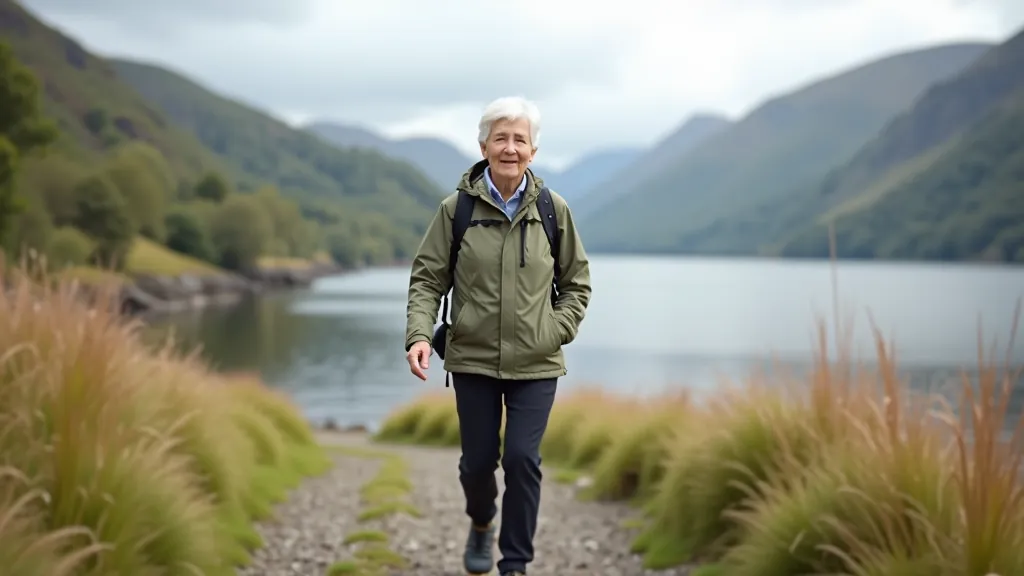
The truth? Slower isn't weaker. It's smarter. We've walked with hundreds of people on the Glendalough trails, and the ones who enjoy it most are the ones who don't rush. They stop when they want. They take photos. They sit on a bench for ten minutes just because. And they finish feeling energized, not exhausted.
Finding Your Personal Pace
Here's the thing about pace — it's personal. What's comfortable for one person might be too fast or too slow for another. And that's completely fine. There's no "right" speed for hiking. Only what works for you on that particular day.
When you're starting out, you'll figure out your pace by feel. Can you talk while walking? Good. That's sustainable. If you're breathless, slow down. If you're barely exerting yourself, you can probably pick it up a bit. Most people find their natural walking pace is somewhere between 2 to 3 miles per hour on gentle terrain. But honestly, don't worry about the numbers. Focus on how your body feels.
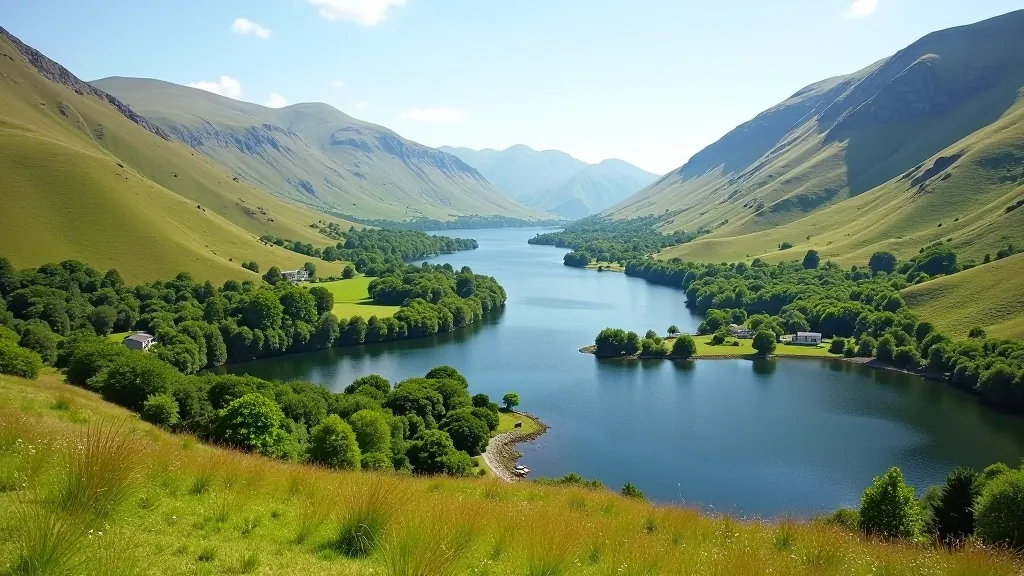
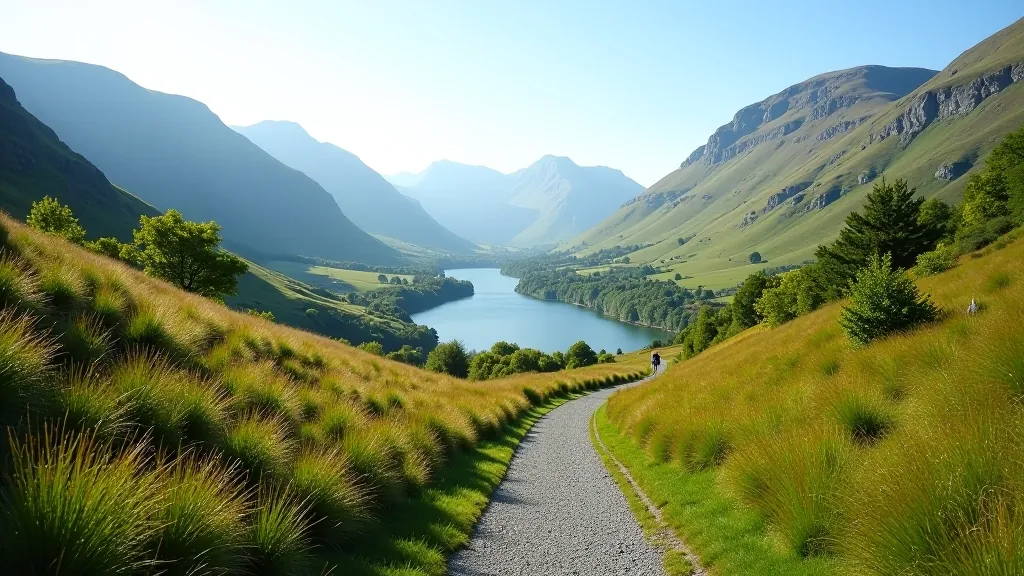
The Glendalough lakeside loop is about 4 miles, and it typically takes between 90 minutes and two hours at a relaxed pace. Some people take longer — they're stopping for photos, chatting with friends, just soaking it all in. That's not slow. That's enjoying the hike.
Know Your Limits
This article is informational guidance based on general hiking best practices. Everyone's fitness level and health needs are different. If you have any medical concerns, joint problems, or heart conditions, chat with your doctor before starting a new walking routine. Listen to your body — it's always right.
Rest Breaks: Your Secret Weapon
Rest breaks aren't failures. They're not admitting defeat. They're smart hiking. Your muscles need them. Your mind needs them. And honestly, some of the best moments on a trail happen during a rest break.
You don't need to wait until you're exhausted to take a break. In fact, that's the wrong approach. The best practice is to take short breaks before you really need them. Every 30 to 45 minutes, find a nice spot and sit for five to ten minutes. Drink some water. Stretch your legs. Let your heart rate settle.
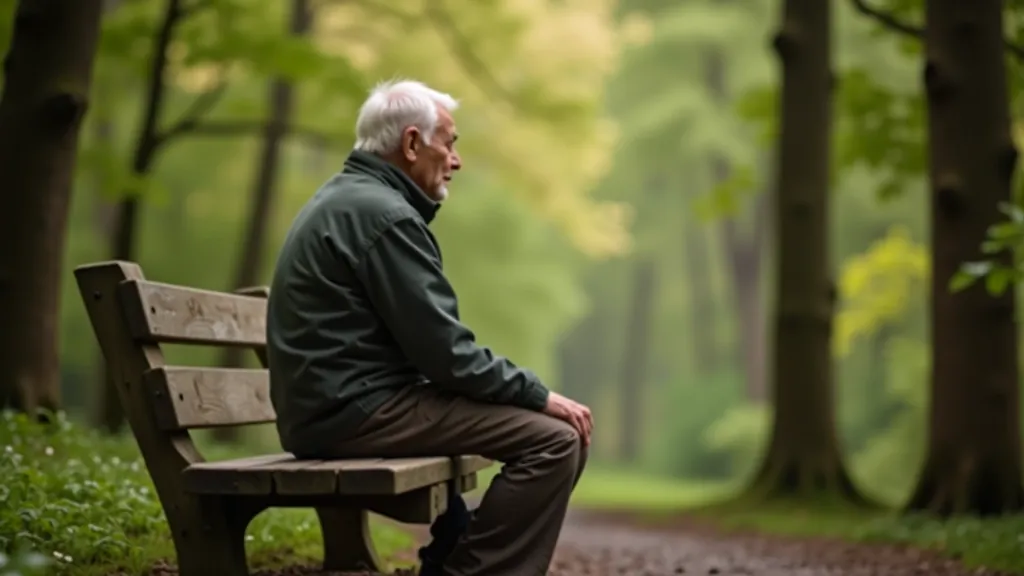
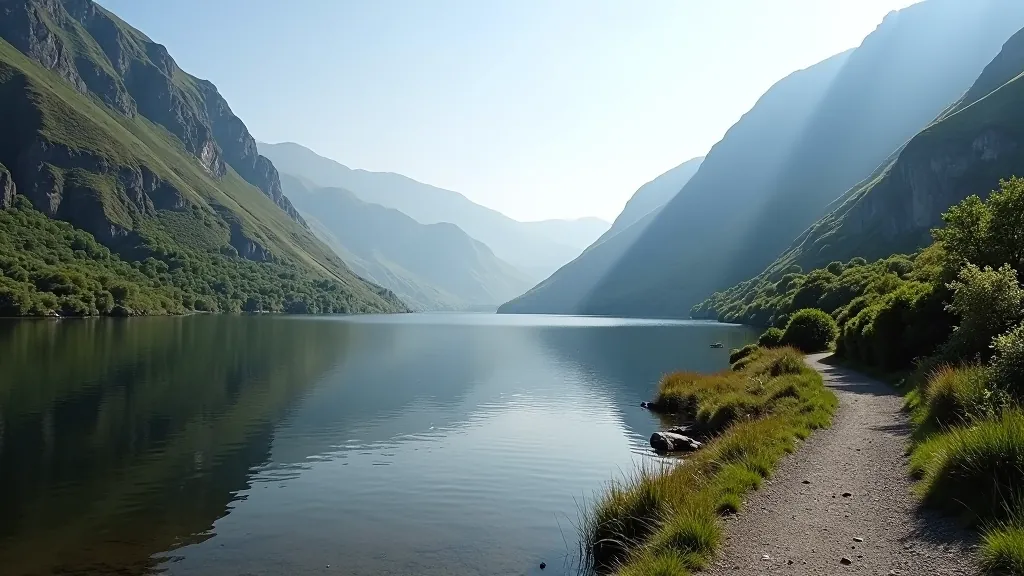
Where should you rest? Anywhere that feels right. A bench (and Glendalough has several good ones). A rock by the water. A flat spot on the grass. You're not in a race. You can sit wherever looks nice. The view is probably better than it was two minutes ago anyway.
Recognizing When You Need to Slow Down
Your Breath
If you can't speak in full sentences, you're moving too fast. Slow down. Your cardiovascular system will thank you.
Your Legs
Heaviness in your thighs or calves? Time for a break. Don't push through until you're struggling.
Your Thirst
Thirsty? Drink water. Don't wait until you're parched. Dehydration sneaks up on you.
The Temperature
Too hot? Find shade and rest. Too cold? Keep moving or add a layer. Listen to what your body needs.
Practical Tips for Better Pacing
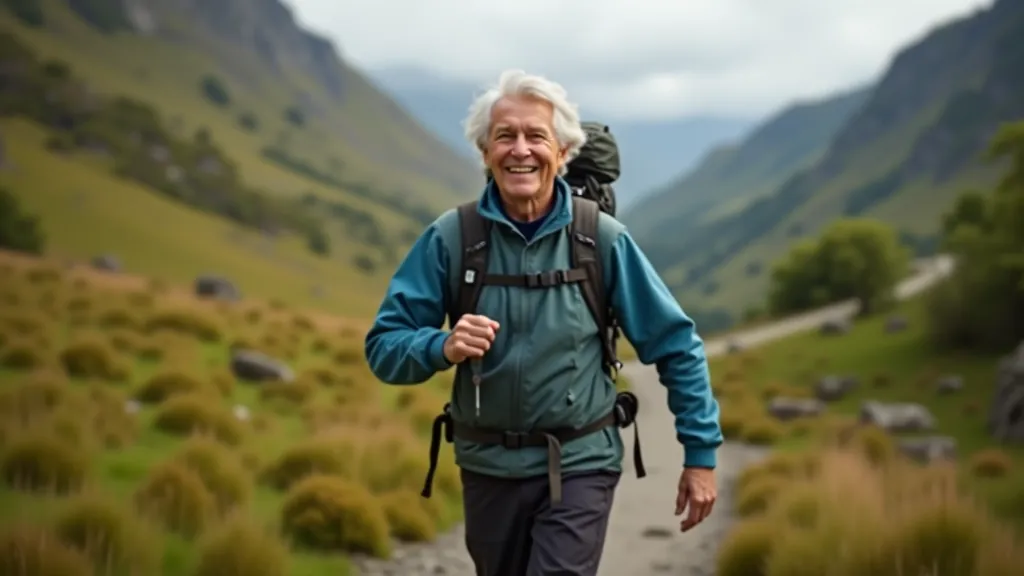
Start with a pace you think is easy. Then make it even easier. You can always go faster later if you want. You can't undo a painful finish.
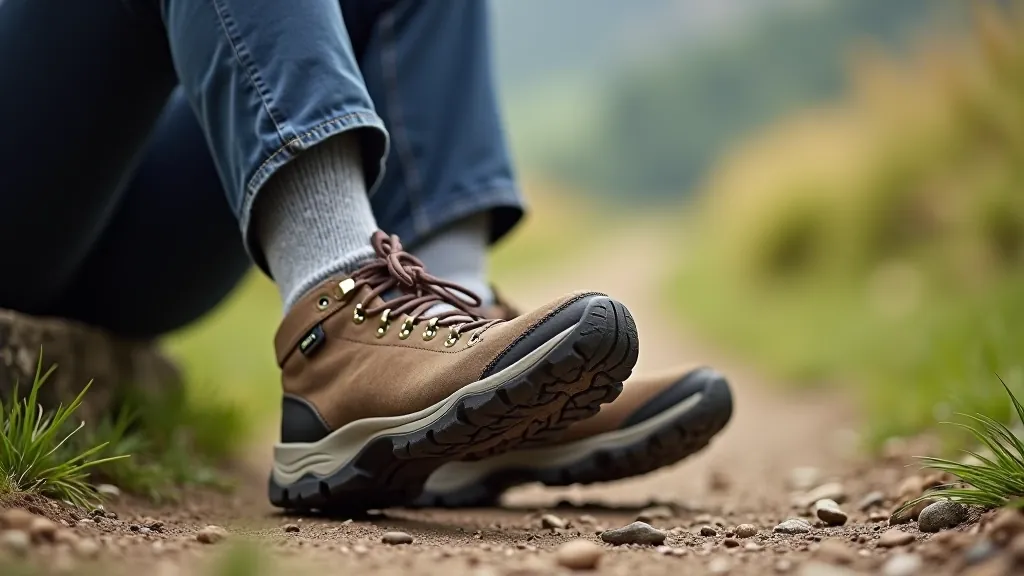
Bring trekking poles if your knees bother you. They really do make a difference — they take pressure off your joints and help with balance. Bring water. Bring a snack if you're going longer than an hour. Bring sunscreen. None of this slows you down; it just makes the experience better.
Plan your route around rest spots. The Glendalough circuit has benches at the upper lake and along the lower lake path. Know where they are. That gives you something to aim for and a reason to stop without feeling like you're failing.
The Real Point of Hiking
Hiking isn't about achievement. It's not about finishing fast or going far. It's about being outside. It's about moving your body in a way that feels good. It's about the view from a bench you didn't expect to find. It's about noticing things — the way light hits the water, the sound of birds, how quiet it is away from the roads.
When you hike at your own pace with plenty of rest breaks, something shifts. You stop worrying about performance and start enjoying the experience. You notice you're smiling. You're already thinking about coming back next week. That's when you know you've got it right.
Your pace. Your rest breaks. Your hike. There's no wrong way to do this.

Related Articles